
Empathy as a Classroom Practice
I'd Like to Apologize to Every Teacher I Ever HadLiterature, personal disclosure, and student conflict repeatedly test whether empathy can change how people treat one another.
increasing Bearing strength in each event
 decreasing
Bearing strength in each eventdecreasingStories Become Mirrors
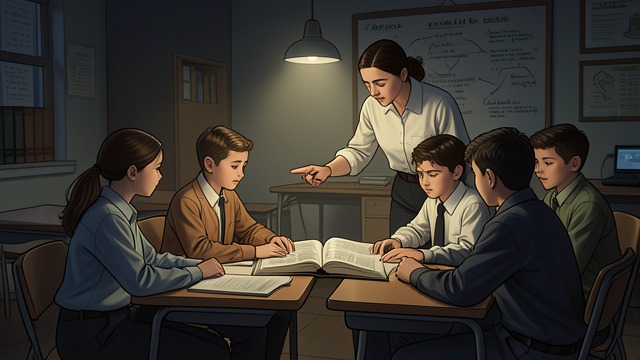
Stories Become Mirrors
Meaning beyond definitions
Students study myths and heroism, then connect heroic qualities to parents, neighbors, soldiers, and teachers. Danza asks whether they might also act heroically.
Literature enters life
The classroom begins using stories not only as assignments but as ways to interpret real conduct. Students’ own examples give abstract themes practical meaning.
Gwen and Her Father
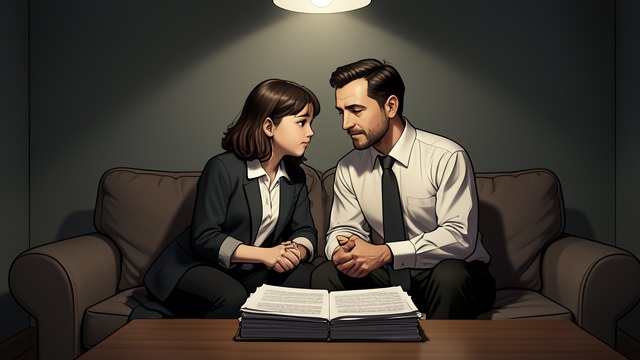
Gwen and Her Father
A painful family change
Gwen describes her father’s job loss and the arguments at home. Danza shares his own experience of feeling canceled and behaving badly after losing work.
Empathy without approval
He asks Gwen to consider her father’s feelings while maintaining her own responsibilities. The conversation demonstrates that understanding someone does not require excusing every action.
A Debate About Justice
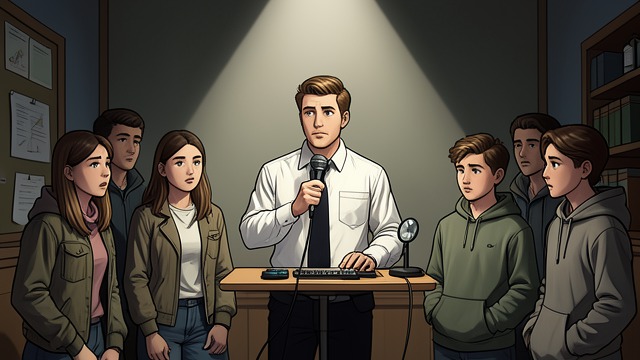
A Debate About Justice
Rap opens a question
Al G performs Gangsta’s Paradise, and the class discusses honor, violence, and disrespect. Students consider why a speaker might see deadly retaliation as necessary.
Other forms of power
Monte suggests that respect earned through work can replace violence, while Katerina argues that the lyrics also reveal emptiness. The disagreement lets students reason about social justice through a form they know.
Walking in Another’s Skin
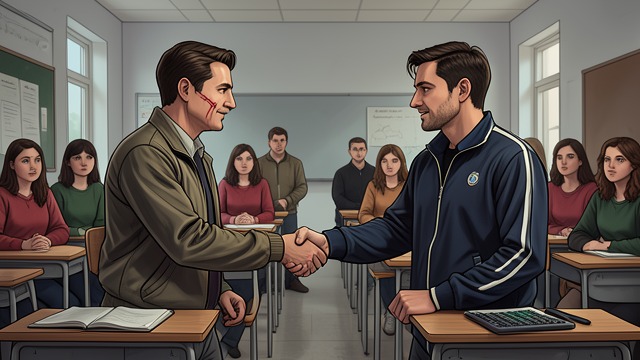
Walking in Another’s Skin
A passage reframes disagreement
Monte reads Atticus’s advice about considering another person’s point of view. The words follow his own experience of trying to teach classmates who will not cooperate.
A practical truce
Danza and Monte shake hands, moving from mutual criticism toward understanding. The lesson becomes more than a literary theme because both men have enacted it.
A School Community in Conflict

A School Community in Conflict
Different memories of one event
Ileana and Stephanie disagree about an incident but reveal deeper feelings of exclusion and betrayal. The counselor and dean help them talk without insisting that they become friends again.
Empathy with boundaries
Danza learns that empathy cannot erase disagreement or restore every relationship. It can create enough understanding for students to coexist and continue learning.
September, during the creation myths and hero lessons
November, during their conference
Spring, during the poetry unit
Spring, after Monte teaches the class
Spring, during the girls’ mediation
